Restaurant & Commercial Kitchen Cleaning in Surrey: Hygiene as a Business Priority
Few commercial environments demand the level of cleaning discipline required in a professional kitchen. For restaurants, cafes, pubs, and catering businesses across Surrey, cleanliness isn’t a matter of appearances — it’s a matter of food safety, legal compliance, and business survival. A single failed hygiene inspection can damage a restaurant’s reputation for years, regardless of how good the food is. At JoBell Cleaning Services, we work with hospitality and food service businesses across Guildford, Woking, and Weybridge to build cleaning programmes that protect both compliance and reputation.
This article looks at what makes commercial kitchen cleaning different from general commercial cleaning, the compliance framework Surrey food businesses operate under, and how a structured cleaning partnership supports day-to-day hygiene ratings and long-term operational efficiency.
Why Commercial Kitchens Require Specialist Cleaning
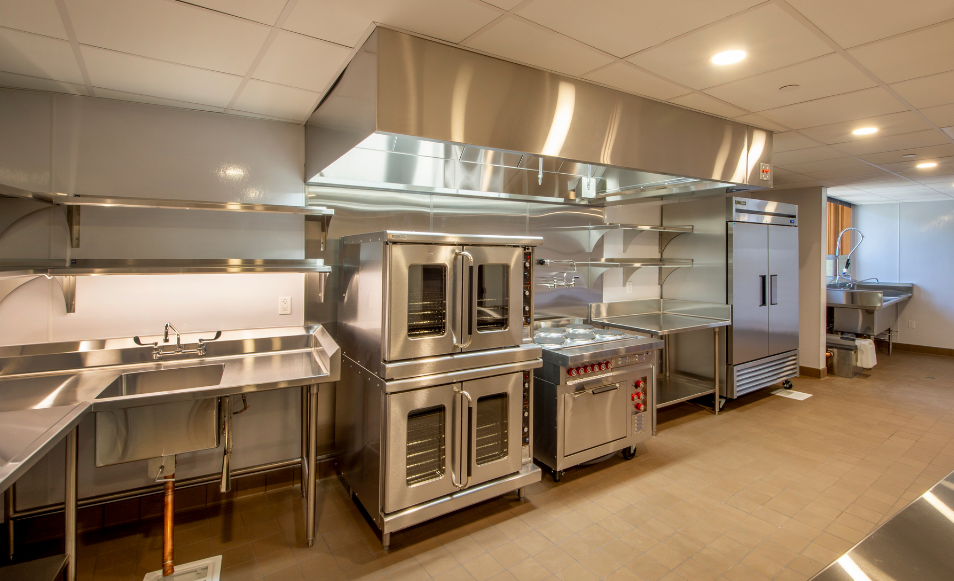
A domestic kitchen and a commercial kitchen may look superficially similar, but the cleaning demands are worlds apart. Commercial kitchens operate for extended hours, handle far larger volumes of raw and cooked food, generate significant grease and airborne fat particles, and are subject to far more rigorous regulatory oversight. Grease build-up on extraction canopies, filters, and ductwork isn’t just unsightly — it’s a genuine fire risk and a common cause of extraction system failures.
Beyond the kitchen itself, restaurants and cafes also need to maintain consistently high standards in customer-facing areas — dining rooms, bar areas, toilets, and entrances — while balancing this against live service hours, something that requires careful scheduling most general cleaning contracts aren’t built for.
Understanding Food Hygiene Compliance in the UK
Food businesses in England, including those across Surrey, are legally required to comply with food hygiene regulations enforced through the Food Standards Agency’s framework, which includes the Food Hygiene Rating Scheme (FHRS). Local authorities, including Guildford Borough Council and Woking Borough Council, carry out inspections assessing food handling, structural cleanliness, and management systems, with each visited business receiving a published hygiene rating from 0 to 5.
Cleanliness of the physical premises is one of the core pillars inspectors assess, alongside food handling practices and confidence in management. A structural or surface cleanliness issue — grease on walls, dirty extraction systems, poorly maintained floor drains, or inadequate cleaning of food contact surfaces — can pull down an otherwise strong rating even where food handling itself is excellent. Many businesses that operate under Hazard Analysis and Critical Control Points (HACCP) principles as part of their food safety management system also need documented evidence of cleaning schedules being followed, which a professional cleaning partner can help support through consistent, logged visits.
What a Professional Kitchen Cleaning Programme Includes
JoBell’s commercial kitchen and restaurant cleaning services are structured to work around service hours and support hygiene compliance. A typical programme includes:
- Kitchen floor cleaning and degreasing — commercial kitchen floors require specialist degreasing agents and non-slip flooring maintenance that general mopping doesn’t achieve.
- Food preparation surface sanitisation — worktops, chopping areas, and prep stations cleaned and sanitised to food-safe standards.
- Appliance exteriors and accessible surfaces — ovens, fridges, freezers, and food storage units kept free of grease and residue on all accessible surfaces.
- Wall and splashback cleaning — removing grease splatter build-up around cooking stations, a common area flagged during hygiene inspections.
- Dining area and front-of-house cleaning — tables, chairs, bar tops, and customer toilets maintained to the same standard customers expect from the food itself.
- Waste and bin area management — internal and external waste areas kept clean and odour-controlled, particularly important during warmer months.
- High-level and low-level cleaning — light fittings, extraction grilles, skirting, and floor-wall junctions where grease and dust commonly accumulate unnoticed.
Because kitchens rarely stand still, scheduling is everything. We work with restaurants and cafes across Surrey to build cleaning schedules around service times — early morning before prep begins, late at night after close, or targeted between-service cleans for high-turnover venues.
Deep Cleaning: The Compliance Safety Net
Alongside daily and weekly maintenance cleaning, most food businesses benefit from a periodic deep clean covering the areas routine cleaning can’t fully address — behind and beneath heavy equipment, extraction ductwork access points, high-level surfaces, and grout lines in tiled kitchen floors. This kind of deep clean is often scheduled quarterly, or ahead of an anticipated hygiene inspection, and provides a documented reset point that supports a strong FHRS rating.
JoBell’s commercial deep cleaning service is available to restaurants and kitchens across Surrey as a standalone service or as a scheduled add-on to a regular cleaning contract. For venues with carpeted dining areas or function rooms, our carpet cleaning service removes embedded food and drink staining that vacuuming alone can’t lift, keeping front-of-house spaces looking as sharp as the kitchen behind them.
Managing Pest Prevention Through Cleaning Discipline
Consistent kitchen cleaning also plays a significant role in pest prevention, an issue that carries its own regulatory and reputational risk for food businesses. Food debris, grease residue, and standing moisture left behind by inconsistent cleaning create exactly the conditions pests are drawn to. A structured cleaning schedule that reaches behind and beneath equipment, keeps floor drains clear, and manages waste storage properly removes many of the environmental factors that attract pests in the first place, reducing reliance on reactive pest control alone.
Why Outsourcing Kitchen Cleaning Makes Business Sense
Many restaurant and cafe owners initially handle cleaning in-house, using existing kitchen or front-of-house staff during quiet periods. While this can work for very small operations, it often creates two problems: cleaning gets deprioritised during busy trading, and staff without specialist cleaning training may miss the details that matter most to an inspector — extraction systems, floor-wall junctions, or the inside of equipment housings.
A dedicated cleaning partner brings trained staff, the right food-safe chemicals for each surface type, and a documented, repeatable schedule that supports both day-to-day hygiene and long-term compliance records. For busy Surrey restaurants and cafes heading into the autumn events season — with Christmas party bookings typically opening in September and October — having cleaning handled reliably in the background frees up management to focus on service and covers.
Front-of-House: Where Hygiene Meets Hospitality
It’s easy to think of restaurant cleaning purely in terms of the kitchen, but front-of-house presentation carries just as much weight with customers, even if it isn’t part of the FHRS structural assessment. Sticky table tops, grubby menus, smeared bar surfaces, and poorly maintained toilets are among the fastest ways to lose a customer’s trust in a venue, regardless of how good the food turns out to be. Online reviews frequently mention toilet cleanliness specifically, since it’s one of the few areas of a restaurant customers inspect closely and unsupervised.
JoBell’s restaurant cleaning covers dining areas, bar tops, banquette seating, menus and condiment stations, and customer toilets to the same rigorous standard as the kitchen itself, recognising that a customer’s overall impression of hygiene is formed across the whole venue, not just the parts they can see into the kitchen.
Seasonal Pressure Points for Surrey Hospitality
Autumn brings a distinct set of challenges for restaurants and cafes across Guildford, Woking, and Weybridge. As the weather turns, footfall from wet weather brings more mud, moisture, and general mess through the front door, while the run-up to the festive period sees bookings increase sharply, particularly for pubs and restaurants taking Christmas party bookings from October onwards. Higher covers mean higher kitchen throughput, faster grease build-up, and more pressure on cleaning schedules that were designed around quieter trading periods.
Reviewing your cleaning frequency and deep clean schedule in September, ahead of this seasonal ramp-up, helps avoid a situation where extraction systems, floors, or front-of-house areas fall behind just as trading — and inspection risk — is at its highest.
Allergen Control and Cross-Contamination Prevention
Beyond general hygiene, UK food businesses are legally required under allergen information regulations to manage the risk of cross-contamination between dishes containing different allergens. While allergen control is primarily a food handling responsibility, the cleaning of prep surfaces, utensils, and equipment between uses plays a direct supporting role. Consistent, thorough surface sanitisation between different food preparation tasks reduces the risk of allergen transfer, an area inspectors and environmental health officers increasingly scrutinise given the seriousness of allergic reactions in a hospitality setting.
A professional cleaning partner who understands food-safe sanitisation protocols provides an additional layer of consistency here, particularly valuable during busy service periods when kitchen staff are focused primarily on food production rather than surface-by-surface cleaning discipline.
Building Cleaning Into Your Food Safety Management System
Most Surrey food businesses operate a documented food safety management system based on HACCP principles, often using the Food Standards Agency’s “Safer Food, Better Business” pack or an equivalent system. Cleaning schedules form a core part of this documentation, and inspectors expect to see evidence that cleaning is happening consistently, not just that the premises happens to look clean on the day of a visit.
Working with a professional cleaning partner like JoBell makes this documentation considerably easier to maintain. Scheduled, logged cleaning visits provide a clear evidence trail that can be referenced during an inspection, demonstrating a consistent and systematic approach to hygiene management rather than ad-hoc cleaning carried out only when time allows.
Frequently Asked Questions About Commercial Kitchen Cleaning
How often does a commercial kitchen need a deep clean?
Most kitchens benefit from a full deep clean every three months, though high-volume kitchens or those with heavy fryer or grill use may need more frequent attention to extraction systems and grease-prone areas. Daily and weekly cleaning handles routine hygiene, while the quarterly deep clean resets the areas that build up gradually over time.
Can cleaning be scheduled around service hours?
Yes. Most restaurants and cafes prefer cleaning either before prep begins in the early morning or after close in the evening, and JoBell builds schedules around each venue’s specific service pattern, including venues with unusual hours such as breakfast-focused cafes or late-night bars.
Does professional cleaning help with hygiene inspections?
A consistent, professional cleaning schedule supports the structural and surface cleanliness element of an FHRS inspection, and the documented, regular nature of a contracted service can provide useful supporting evidence for a business’s food safety management system. It doesn’t replace good food handling practice, but it removes one of the most common sources of point deductions.
What products are used around food preparation areas?
JoBell uses food-safe, appropriately certified cleaning products for all surfaces that come into contact with food, with separate product ranges for kitchen degreasing, front-of-house surfaces, and washroom sanitisation to avoid any risk of cross-contamination between different cleaning tasks.
Partner with JoBell for Your Kitchen and Restaurant Cleaning
JoBell Cleaning Services supports restaurants, cafes, pubs, and catering businesses across Guildford, Woking, Weybridge, and the wider Surrey area with hygiene-focused kitchen and front-of-house cleaning. Our teams are trained in food-safe cleaning practices and work flexibly around your service hours to keep your business inspection-ready every day, not just before a visit.
To arrange a site visit and discuss a cleaning schedule for your kitchen or restaurant, call 07949 825369 or visit jobellcleaningservices.co.uk today.